

Empower your young talent with future-proof skills to kickstart successful careers at your enterprise.
Discover now



.webp)
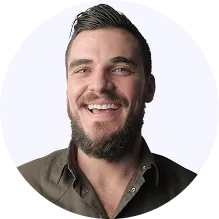
Ivan Fedorovskiy begann seine Zeit bei Lepaya im Juli 2019, als er zum ersten Mal als Praktikant in der Geschäftsentwicklung zu uns kam. Heute ist Ivan Teil des Business Excellence Teams, das sich zum Ziel gesetzt hat, Lepaya an die Spitze der Anbieter von L&D-Schulungen zu bringen. Ivan und ich unterhielten uns über seine Zeit an der Universität, als er von Russland nach Amsterdam kam und seinen Groove an der Rotterdam School of Management fand. Lerne den Wachstumshacker Ivan kennen!
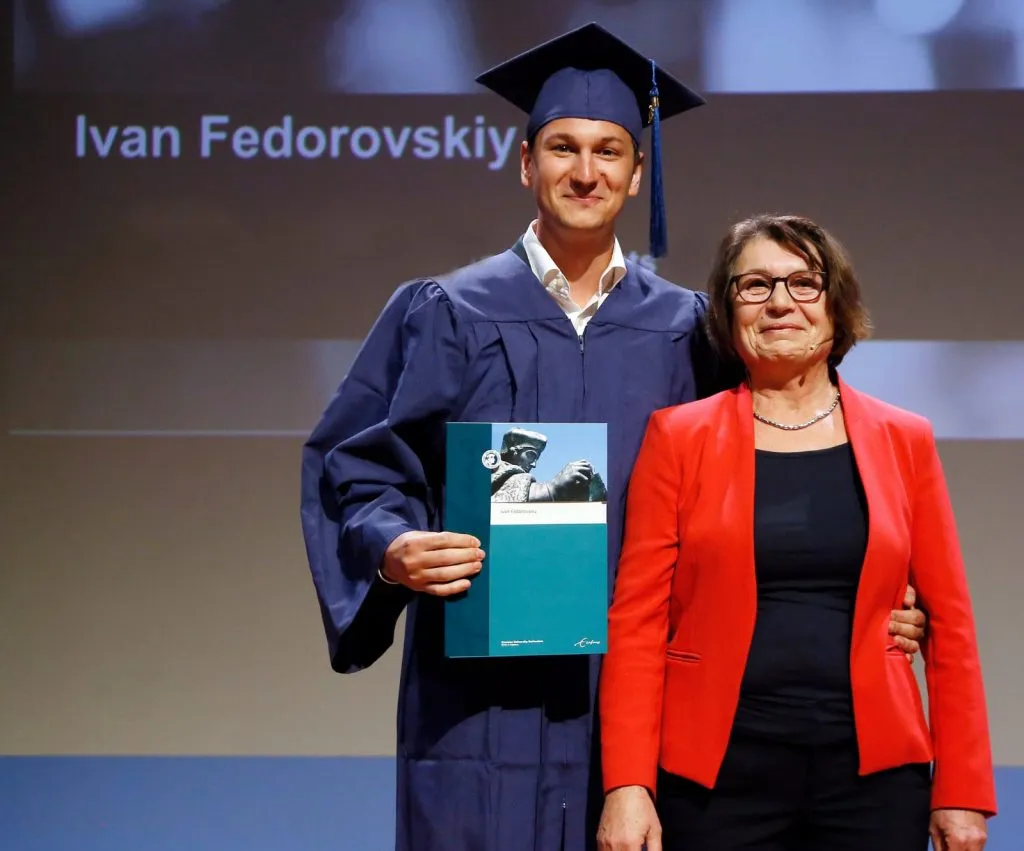
Ich habe meinen Bachelor in Wirtschaft und Finanzen an der Moscow Higher School of Economics gemacht. Da es sich bei diesem Bachelor-Studium um ein Doppelstudium handelte, schloss ich mein Studium mit zwei Diplomen ab. Nach meinem Bachelor bin ich nach Rotterdam gezogen, um den Master of Management zu absolvieren. Es unterscheidet sich ein bisschen von anderen Programmen, weil es zuallererst anderthalb Jahre dauert. Sie studieren ein Jahr und haben dann ein halbes Jahr Zeit, um Ihre Abschlussarbeit zu beenden. Sie können sogar mit ihrem Praktikum kombinieren. Außerdem war das am stärksten international ausgerichtete Programm der gesamten Universität, was so wertvoll ist. In einem so internationalen Umfeld, hat mir beigebracht, wie man mit Menschen kommuniziert, wie man in einer Gruppe arbeitet, insbesondere in einer internationalen Gruppe. I would say, this time are my soft skills just sprunghaft angestiegen!
Waehrend meines Studiums hatte ich mehrere Praktika, bevor ich meinen Master begann. In Russland ist es wirklich schwierig, einen guten Job zu bekommen, wenn Sie bis zum Abschluss Ihres Bachelors nicht drei Praktika und einen Teilzeitjob haben. Es ist ein wirklich wettbewerbsintensiver Arbeitsmarkt. Als ich meinen Bachelor abschloss, hatte ich bereits zwei Praktika und einen Teilzeitjob. Ich hatte auch ziemlich viel Erfahrung in der Arbeit für wirklich große Unternehmen. Als ich in die Niederlande kam, wollte ich außerhalb meines Studiums etwas arbeiten, also dachte ich: „Warum treten die Gründerzentren in Rotterdam nicht bei? “.

Ivan and sein Teamleiter bei Forward Incubator
Ich bin Forward Incubator beigetreten, ein Gründerzentrum mit einem sozialen Zweck. Sie helfen hochqualifizierten Flüchtlingen, die in ihrem Heimatland ein Unternehmen besaßen, ihr Unternehmen in den Niederlanden wieder aufzubauen oder zu versuchen, ein völlig neues Unternehmen zu gründen. You receive any art of support by different companies, business coaches and innovators. Ich habe als Studienberater gearbeitet, also habe ich mein Wissen von der Universität über den Weg der Idee zur Finanzierung mitgebracht und sie beim Wiederaufbau in den Niederlanden unterstützt. Was mir wirklich gut gefallen hat, war das Start-up-Umfeld, in dem ich die Wirkung meiner Arbeit wirklich sehen konnte.
Nach meinem Abschluss an der Rotterdam School of Management wusste ich, dass ich in den Niederlanden bleiben wollte, es ist so ein cooler Ort zum Leben. I find an, for a little company to search, the product manager. Ich wollte unbedingt Projektmanager sein und zu der Zeit, als ich danach suchte, gab es zwei offene Stellen bei Lepaya. Ein war für den Produktmanager und ein für einen Praktikanten in der Geschäftsentwicklung. I reach the time, that they are quite strong overcut the skills, also chosen me, me instead to bewerbe for the stelle as praktikant, da ich der Meinung war, dass ich mit meiner Erfahrung bessere Chancen hatte, diese Rolle zu übernehmen.
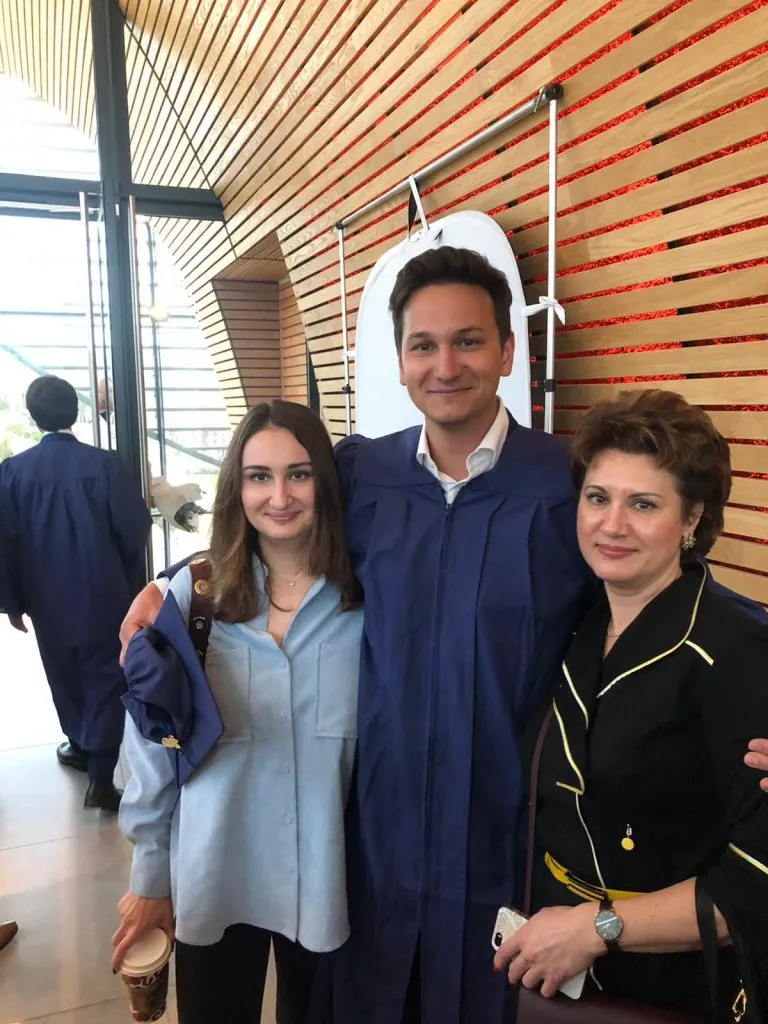
Ivan, seine Schwester und Mutter bei seinem Abschluss
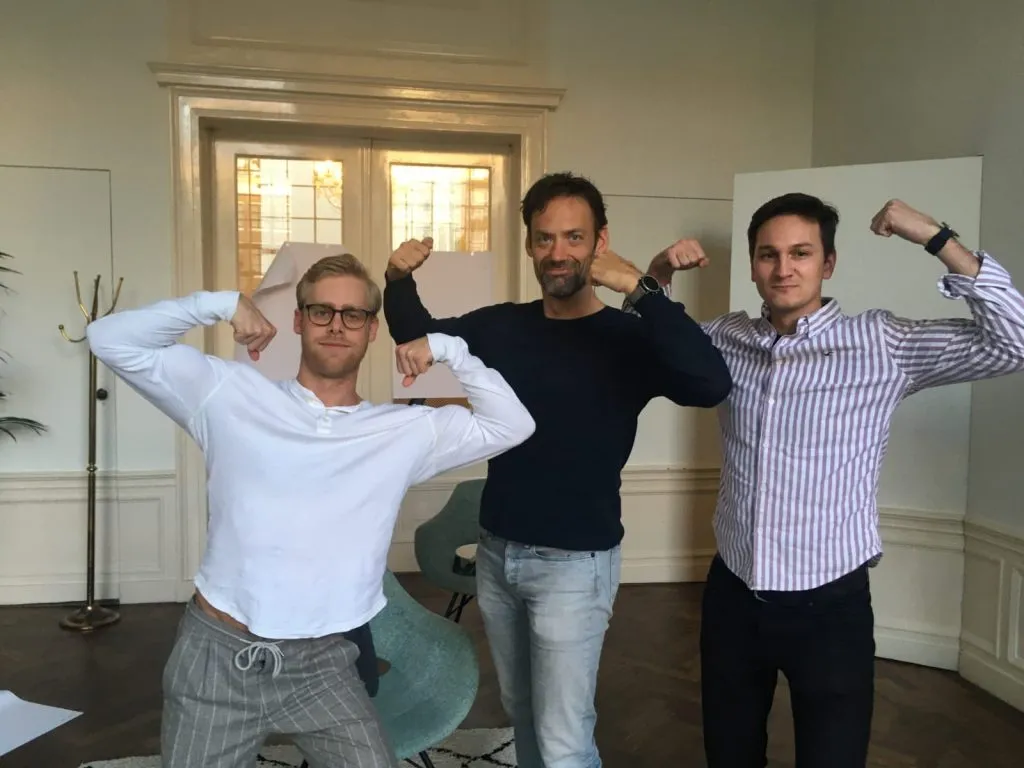
Growth Hacker Ivan and his employees at a Lepaya Hackathon during his praktikum
The Startup environment means that they part each individual teams. Es wird also immer gefördert, zu kommunizieren, was Sie tun möchten und welche Fähigkeiten Sie haben. Meine ursprüngliche Strategie besteht darin, mich für das Praktikum zu bewerben. Ich war zuversichtlich, dass sie meine Bewerbung annehmen würden, da ich über alle relevanten Erfahrungen verfügen würde. Ich wollte als Praktikant beginnen und in der Position des Projektleiters weiterarbeiten. Ich war mir der Phase von Lepaya nicht sicher, aber ich wusste, dass sie ein wachsendes Start-up waren. Ich hatte ein erstes Gespräch mit einem Personalvertreter von Lepaya. The next step was a meet with the mitbegründer. Rene und ich hatten ein wirklich nettes Gespräch und es stellte sich heraus, dass es gut zusammenpasste. Here started my travel by Lepaya!
Nun, ich bin kürzlich vom Marketing Team zum Business Excellence Team gewechselt, was bedeutet, dass ich den gesamten Marketing- und Vertriebsleiter zahlenmäßig kontrollieren muss. My profession is Growth Hacker. The definition of Growth Hacker is, that they collect data over the whole funnel, they decide from this basis, what you need to improve, and on this basis you carry different experiments through. Je more experiments Sie durchführen, desto besser machen Sie Ihren Job! The first step, if it is a fast experiments goes, is within, ensure that all instruments, that you need, functional functional, they have a solid basis, you can meeting your decision. Wir haben das früher nur zu Marketingzwecken gemacht, aber jetzt, da wir das Business Excellence Team zusammengestellt haben, erweitern wir es auf das gesamte Unternehmen, sodass alles klar ist, was wir erreichen wollen, und auf zuverlässige Daten zugreifen. Im Allgemeinen mache ich das und wir versuchen, als Analyse-Abteilung gut zu arbeiten und all die richtigen Daten und Einblicke zu bieten, sodass jeder seine KPIs und seine Leistung verbessern kann.
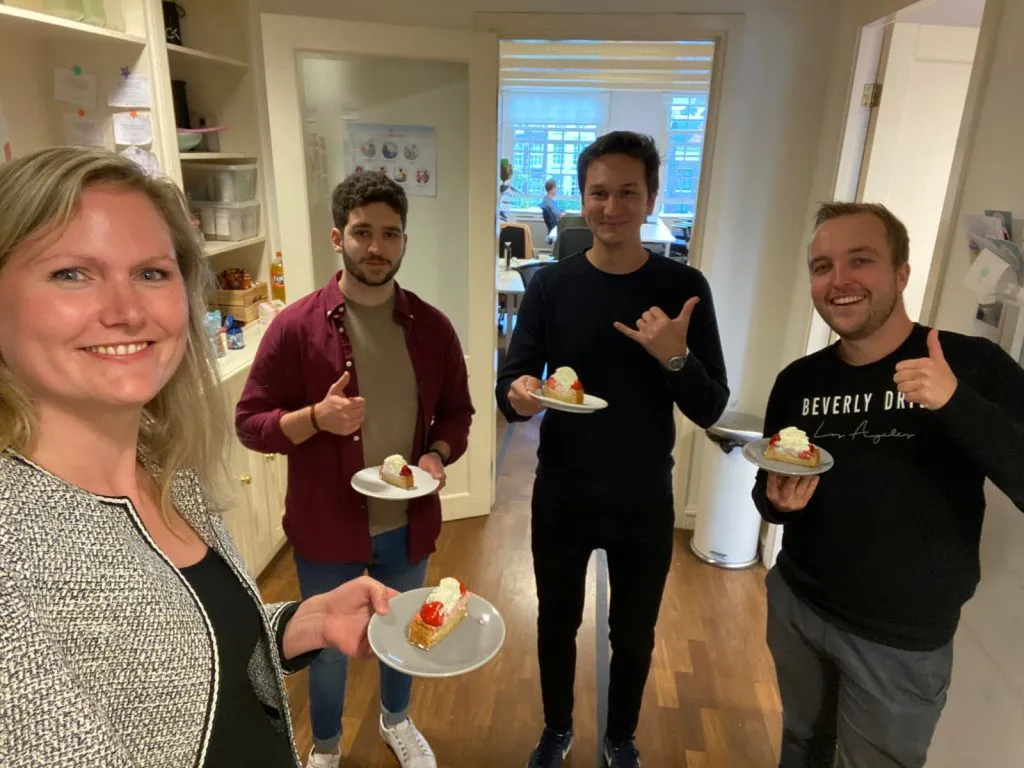
Lepayas Marketingteam im Büro (vor Covid) genießt ein paar Leckereien!
Seit meinem ersten Tag habe ich gerne bei Lepaya gearbeitet, vor allem wegen der Arbeitskultur, aber auch, weil unsere Werte etwas sind, mit denen ich mich wirklich identifizieren kann und das ich jeden Tag verwenden kann. Sie erinnern mich daran, unternehmerisch und proaktiv zu sein und nach Exzellenz zu streben. Die Kultur, die Lepaya hat, bedeutet, dass es immer die Möglichkeit gibt, etwas beizutragen. Was ich bei der Arbeit mit Peter und René und anderen Lepayanern sehe, ist, dass sie dich als Profi betrachten, wenn sie dich ansehen. Sie erwarten eine Entscheidung von Ihrer Seite und nicht umgekehrt, es ist kein Ansatz von oben nach unten. Was mich herausfordert, mehr zu lernen und auch die Verantwortung dafür zu übernehmen, was ich tue. Das ist es, was ein Nachwuchskräfte auf das nächste Level bringt, um ein Profi zu werden. My learning curve is increased by day to day, because I have the space, responsibility to take responsibility and develop own initiatives, without be underrated.
Und die Leute! In der letzten Woche meines Praktikums haben wir uns mit den Mitbegründern getroffen und ihnen Einblicke in unsere Zeit bei Lepaya gegeben. Mein erster Gedanke war, dass es nicht nur einfach war, mit jeder einzelnen Person, die ich bei Lepaya kannte, zusammengebracht, sondern auch so motiviert und voller Leidenschaft bei ihnen, was sie tut. The people by Lepaya are on same wave length and work on same goals. Jeder ist so geschlossen und proaktiv und begeistert von ihnen, was er tut, was supercool zu sehen ist. Für mich bedeutet das, dass der Einstellungsprozess genau abläuft, die Unternehmenskultur stimmt und all diese Faktoren zusammen ein reibungsloses HR-Erlebnis für alle schaffen, die zu Lepaya kommen. The work with so motivated people macht dich entschlossen, höhere Ziele zu erreichen und dir größere Ziele zu setzen.
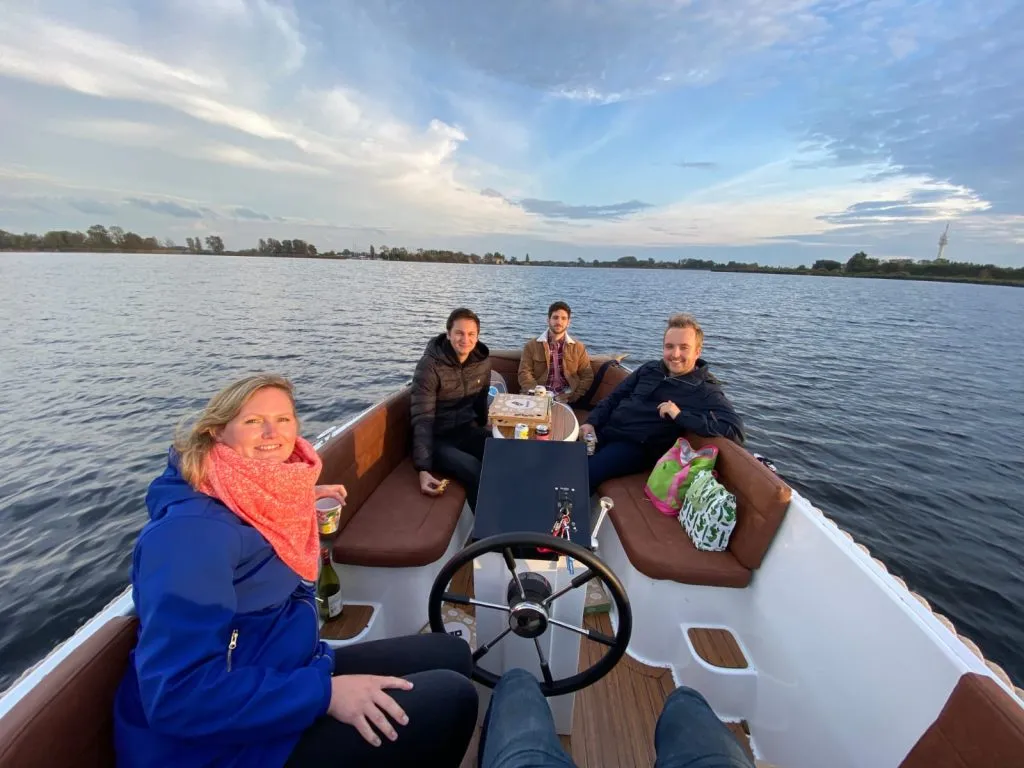
Ivan and his marketing staff build Teambuilding on a boot!
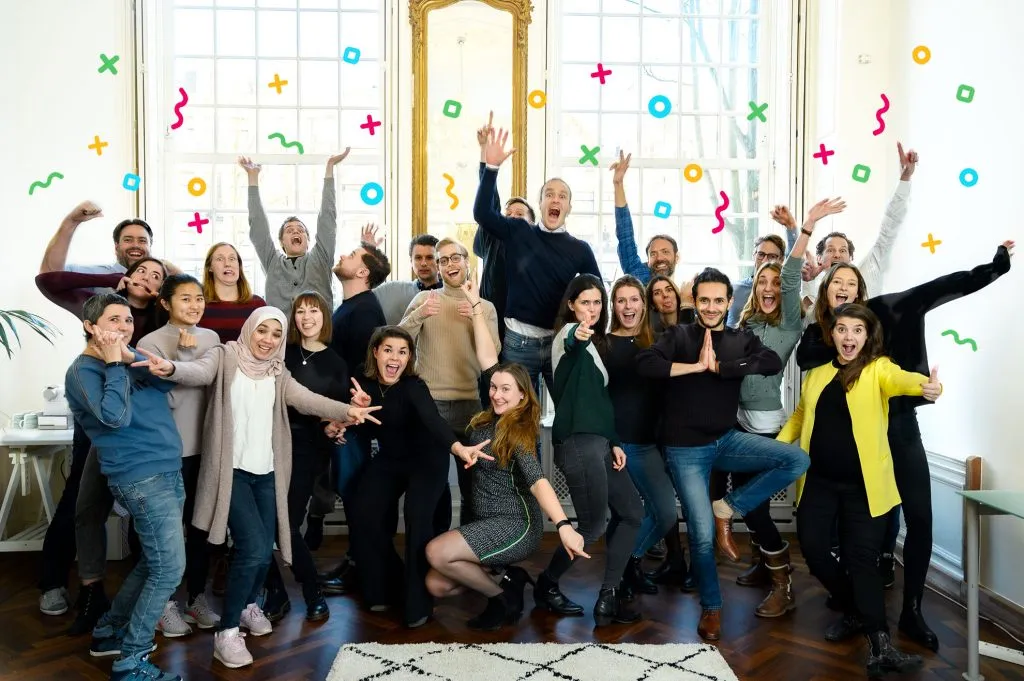
Lepaya offers you the possible, to overoverage, a full new ability to learn and to beschreite a Career way, the you helps to success. If they join the Team Lepaya, you want to look on our Jobangebote!
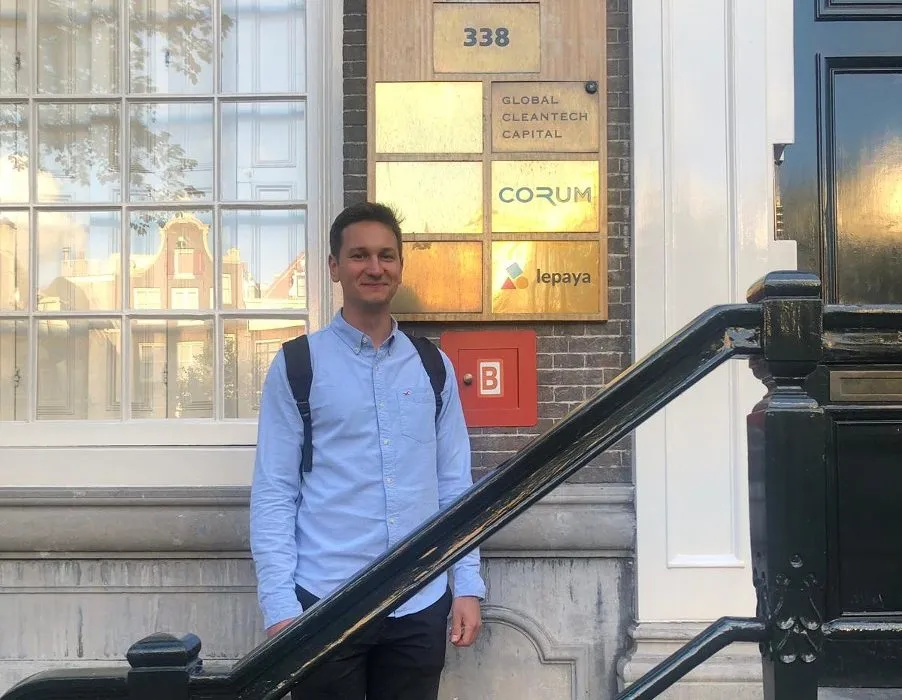
Ivan kam als Praktikant zu Lepaya, arbeitete hoch in seiner Rolle als Growth Hacker und ist seit Juli 2019 ein wichtiges Mitglied des Teams. If you want to chat with Growth Hacker Ivan personal, melde dich bei uns!

Wir bieten eine skalierbare Lösung für Mitarbeiterschulungen. Damit können Sie Ihre Mitarbeiter kontinuierlich weiterbilden.
Einen Anruf buchen.webp)

Bewertung von:
Senior leadership and boardroom teams invest heavily in commercial strategies to win market shares. Yet the most important and honest information driving strategy circulates in teams underneath, never making it to the table where decisions are made.Jeroen Kraaijenbrink, Executive Coach and Strategy Consultant at Kraaijenbrink Advisory, has spent years working on what he calls the honesty gap. We sat down with him to understand what the honesty gap actually is, where it lives in organizations, and why fixing it requires a leadership shift.How do you define the honesty gap?There's a narrow definition and a broad one. The broad one is: we have created organizations and systems where it's barely possible to be honest to yourself, about yourself, and honest to other people.Honesty isn't just lying. It's integrity, being authentically connected to other people and being aware of your own emotions and your own biases.The honesty gap, in a narrow sense, is the fact that truth and information don’t travel vertically upwards in a company. It's often hard to speak openly to your manager because it’s become rational not to. Many people have the experience: 'I've tried it once but then I was punished for it, or was ignored, so let it be, never mind.' That's the fascinating part: it's not good for people, it's not good for organizations and yet we somehow keep this system intact.Is it less about individual dishonesty and more about a collective culture?A lot of the most important information going through your company is between people and in conversations. You need to find a way to have an honest conversation, where the things that matter get on the meeting table, not just in the informal circuit. And I think that's pretty rare.A more systematic definition is that we're not using the collective intelligence of a company enough. We can radically improve it because we’ve made it rational to hide the truth and to keep things to yourself. A lot of it may not be intentional, but the very fact that someone is in a position above you automatically creates this tension: 'What do I show? What don't I show? Because my next performance appraisal is coming up.'Where does the honesty gap typically show up first, and who owns the problem?It starts with leaders. Solving it needs one leader at the top, the CEO at least, being open and reflective enough to admit that there is an honesty gap and that they are part of it. That's the self-reflection you need for any improvement and any change. Like in coaching: you need to be aware that there is stuff to improve. You don't need to be a perfect leader, but you need to be open enough to admit that there is an issue.You talk about the 'persona trap', what is that?You're stuck in a persona where you perform in a certain way within your company. You have a role, a position, a reputation, and that locks you into specific behaviors. The worse the match between who you are as a person and how you need to show up in your organization, the more inner conflict that’s created. Especially at the top, it’s a problem for many executives. They're supposed to be the people who know it all and be decisive. While if you're honest, you don't necessarily know everything, you’re uncertain and have anxieties.The inner core of the honesty gap is breaking the performance, breaking the acting you feel you must do. If you've put yourself in a role of being the strong, decisive, number-oriented leader, that's how you have to behave. But most people don't feel very comfortable in that kind of role because it's not who they are.Can you fix the honesty gap through individual coaching alone or does the system have to change?Part of it is a personal change, part of it is a system change. You can be on your own and be very authentic, but if the system doesn't change at all, you’ll struggle to break the honesty gap.What you need to do is work on the people, the culture, and the system. Ideally that has to include the top, because otherwise it stays at the level of the person being coached. If it's a team lead or a mid-manager, that person can partly create an island in the organization, a safe space for their team and their department. But still, the appraisal systems, objectives, and culture are company-wide. Why is this so hard to shift, even when leaders recognize the problem?We have normalized this idea that you have to be strategic in what you tell and what you show. You have to show up in a certain role at work. It's also the result of how we have separated work from life, which is a very unnatural thing. It's from the industrial age, because for any other species, work is life. But now there’s a split between work, with all the routines in companies, and then your private life. There's just one you, you're the same person at home as you are at work. The good news is that the honesty gap can be closed. While many companies have unintentionally created environments where people hesitate to speak openly, organizations prioritizing trust, authenticity, and psychological safety can unlock a competitive advantage. When employees feel safe to share concerns, ideas, and perspectives, collective intelligence grows, decision-making improves, and stronger relationships emerge across every level of the business.
%2520(1)%2520(1)%2520(1)%2520(1).webp)
Bewertung von:
Eine Hochleistungskultur ist entscheidend, um Produktivität und Wettbewerbsfähigkeit zu maximieren. Mollie Duffy, Head of L&D bei Lattice, erklärt, wie inspirierende Führung, eine Wachstumsmentalität und effektive Leistungsbeurteilungen Teams zum Erfolg verhelfen können.
Close skill gaps, accelerate growth, and future-proof your workforce.



.webp)

.png)