Develop confident leaders who drive their teams’ performance and organizational success.
Discover more


Bei Lepaya wollen wir uns wirklich die Zeit nehmen, unsere Kolleginnen zu schätzen. In diesem Monat geben wir jede Woche einen kleinen Einblick in den Alltag unserer Kollegen, um ihre persönlichen und beruflichen Erfolge zu feiern. Wir begannen den Monat mit einem Interview mit Sara Shehataund spricht über ihre Rolle im Tech-Team. Diesen Monat haben wir mit dem Betriebsleiter gesprochen Geraldine Schepersund Office & People Manager Caitlin Vorstmann.
Diese Woche im Rampenlicht unser Customer Success Manager — Elise Pietersen:
„Es überrascht die Leute, wenn ich ihnen erzähle, dass ich als Kind extrem schüchtern war.
Bis zu dem Punkt, dass ich in der Grundschule kaum mit jemandem gesprochen habe. In der High School wurde ich weniger schüchtern und wuchs allmählich aus meiner Schüchternheit an der Universität heraus. Ein Teil dieser Schüchternheit blieb jedoch bei mir, bis ich mich in einem Unternehmensjob wiederfand, als Coach in einer Kundendienstabteilung einer großen globalen Unternehmensversicherungsgesellschaft, und eine Mentorin und ein unglaublich starkes weibliches Vorbild fand.
Ich war 28 und steckte in meiner Karriere fest. Ich war stolz auf das, was ich bisher erreicht habe, wusste aber nicht wirklich, in welche Richtung ich meine Karriere einschlagen sollte. Ich hatte mich schon immer für Personalentwicklung und L&D interessiert, hatte aber keine vorherige Erfahrung oder keinen Abschluss in diesem Bereich. Ich wusste, dass ich unsere L&D-Leiterin Sarah extrem inspirierend fand. Nachdem ich gesehen hatte, wie sie Schulungen für große Gruppen von Menschen durchführte, Führungstage für das MT organisierte und bei Telefonaten mit Hunderten von Menschen sprach, wusste ich, dass sie eine unglaubliche Führungskraft und ein Vorbild sein würde, von der man lernen kann. Ich habe mich an sie gewandt, wir haben uns unterhalten und sie hat mir einige Jobs gegeben, die ich neben meiner Rolle als Coach erledigen sollte, um zu sehen, ob ich gut zu mir passen würde und ob ich im Bereich L&D arbeiten möchte. Sie drängte mich, mich für eine interne Arbeitsgruppe für Auszeichnungen und Anerkennungen anzumelden, etwas, das völlig außerhalb meiner Komfortzone lag. Und als in ihrem Team eine Stelle frei wurde, bewarb ich mich und bekam die Stelle angeboten.
Mein Job als Trainer und L&D-Profi war eine steile Lernkurve. Ich musste das superschüchterne Kind hinter mir lassen und in den Headspace „Ich habe das verstanden“ wechseln. Weil es nicht immer einfach ist, an sich selbst zu glauben, besonders wenn Sie in einem sehr korporativen Umfeld mit einer von Männern dominierten Führungsgemeinschaft arbeiten. Aber jemand anderen zu haben, der an dich glaubt und dir sagt, dass er an dich glaubt, kann Wunder bewirken. Sarah hat mich bei jedem Schritt unterstützt und war die Mentorin, nach der ich gesucht habe. Sie ermutigte mich, mich zu äußern und gehört zu werden, wenn ich neue Ideen hatte oder wenn ich mit dem, was mir vorgelegt wurde, nicht einverstanden war. Sie inspirierte mich dazu, bei Bedarf störend zu sein, aber auch immer zuzuhören, was andere Leute zu sagen haben. Sie stellte mir andere weibliche Führungskräfte in unserem Unternehmen vor und half mir, ein Netzwerk starker und unabhängiger Frauen um mich herum aufzubauen. Vor allem aber inspirierte sie mich dazu, authentisch ich selbst zu sein. Dass Sie nicht in eine bestimmte Schublade passen müssen, um erfolgreich zu sein, und niemals das Gefühl haben sollten, nicht zu einem bestimmten Job oder Unternehmen zu gehören, weil Sie eine Frau sind oder weil Sie sich weigern, archaischen Unternehmenstraditionen zu entsprechen.
Als ich das Unternehmen verließ, um in die Niederlande zurückzukehren, wusste ich, dass sie mir unglaubliche Fähigkeiten und Denkweisen gegeben hatte, die mich überall unterstützen würden, wo ich auch landete. Und ich hatte großes Glück, bei Lepaya zu landen, wo ich täglich mit anderen inspirierenden Frauen zusammenarbeite, die offen und voller unglaublicher Ideen sind. Und ich habe das Gefühl, dass Lepaya als Unternehmen eine Gemeinschaft schätzt und fördert, die es Frauen ermöglicht, genauso erfolgreich zu sein wie Männern. Ich habe Sarahs unglaubliche Tapferkeit und Macht als Frau immer im Hinterkopf und hoffe jetzt, dass ich andere Frauen dazu inspirieren kann, an sich selbst zu glauben und alles in Frage zu stellen, was sie nicht für richtig halten.“
Interessieren Sie sich für unsere Sicht auf Gleichheit, D&I und was wir tun?
Beginne mit unserer Seite über Diversität und Inklusion bei Lepaya
Schauen Sie sich die D&I-Seite an
und sieh dir unseren Power Skill an: Diversität und Inklusion

Wir bieten eine skalierbare Lösung für Mitarbeiterschulungen. Damit können Sie Ihre Mitarbeiter kontinuierlich weiterbilden.
Einen Anruf buchen

Bewertung von:
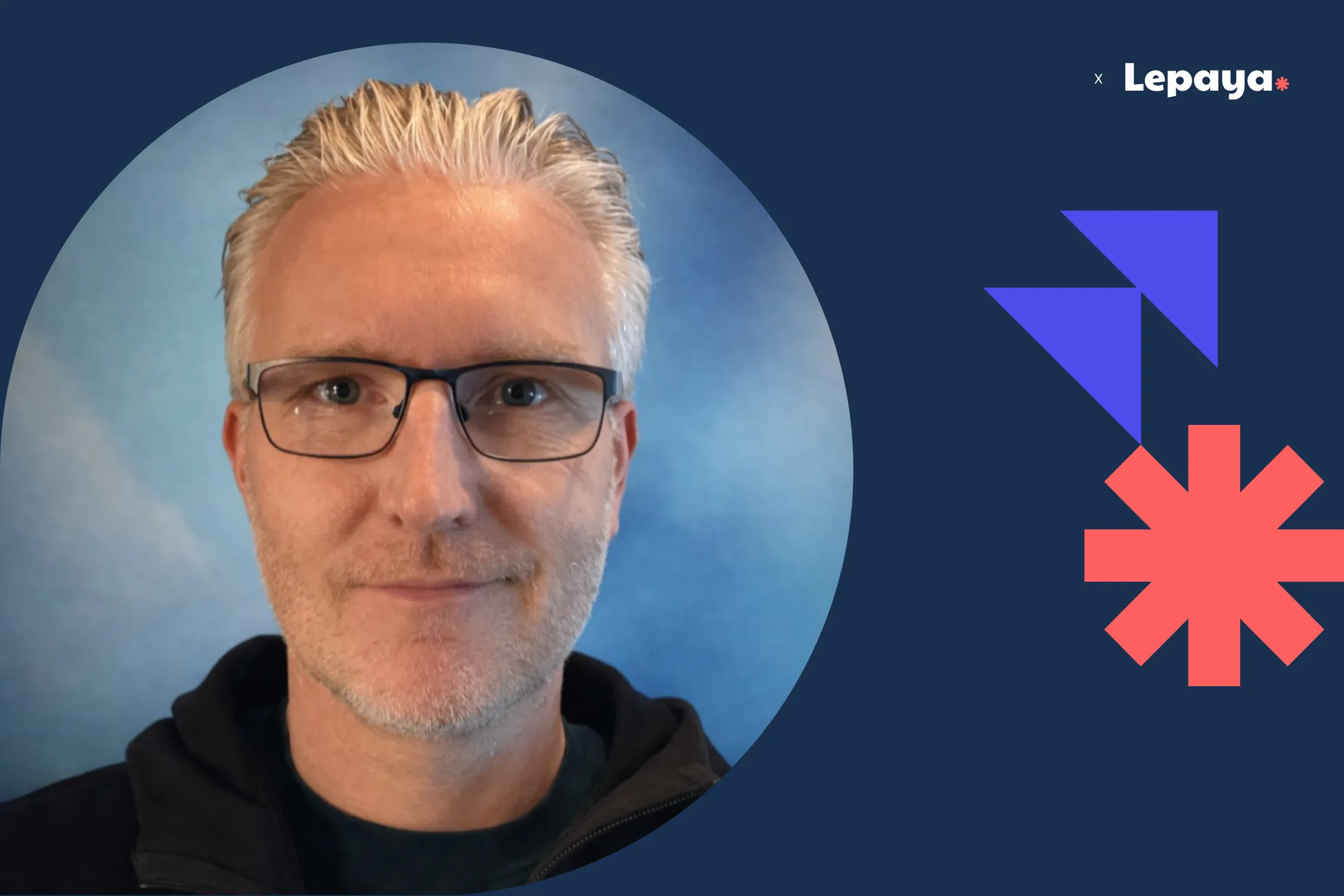
Senior leadership and boardroom teams invest heavily in commercial strategies to win market shares. Yet the most important and honest information driving strategy circulates in teams underneath, never making it to the table where decisions are made.Jeroen Kraaijenbrink, Executive Coach and Strategy Consultant at Kraaijenbrink Advisory, has spent years working on what he calls the honesty gap. We sat down with him to understand what the honesty gap actually is, where it lives in organizations, and why fixing it requires a leadership shift.How do you define the honesty gap?There's a narrow definition and a broad one. The broad one is: we have created organizations and systems where it's barely possible to be honest to yourself, about yourself, and honest to other people.Honesty isn't just lying. It's integrity, being authentically connected to other people and being aware of your own emotions and your own biases.The honesty gap, in a narrow sense, is the fact that truth and information don’t travel vertically upwards in a company. It's often hard to speak openly to your manager because it’s become rational not to. Many people have the experience: 'I've tried it once but then I was punished for it, or was ignored, so let it be, never mind.' That's the fascinating part: it's not good for people, it's not good for organizations and yet we somehow keep this system intact.Is it less about individual dishonesty and more about a collective culture?A lot of the most important information going through your company is between people and in conversations. You need to find a way to have an honest conversation, where the things that matter get on the meeting table, not just in the informal circuit. And I think that's pretty rare.A more systematic definition is that we're not using the collective intelligence of a company enough. We can radically improve it because we’ve made it rational to hide the truth and to keep things to yourself. A lot of it may not be intentional, but the very fact that someone is in a position above you automatically creates this tension: 'What do I show? What don't I show? Because my next performance appraisal is coming up.'Where does the honesty gap typically show up first, and who owns the problem?It starts with leaders. Solving it needs one leader at the top, the CEO at least, being open and reflective enough to admit that there is an honesty gap and that they are part of it. That's the self-reflection you need for any improvement and any change. Like in coaching: you need to be aware that there is stuff to improve. You don't need to be a perfect leader, but you need to be open enough to admit that there is an issue.You talk about the 'persona trap', what is that?You're stuck in a persona where you perform in a certain way within your company. You have a role, a position, a reputation, and that locks you into specific behaviors. The worse the match between who you are as a person and how you need to show up in your organization, the more inner conflict that’s created. Especially at the top, it’s a problem for many executives. They're supposed to be the people who know it all and be decisive. While if you're honest, you don't necessarily know everything, you’re uncertain and have anxieties.The inner core of the honesty gap is breaking the performance, breaking the acting you feel you must do. If you've put yourself in a role of being the strong, decisive, number-oriented leader, that's how you have to behave. But most people don't feel very comfortable in that kind of role because it's not who they are.Can you fix the honesty gap through individual coaching alone or does the system have to change?Part of it is a personal change, part of it is a system change. You can be on your own and be very authentic, but if the system doesn't change at all, you’ll struggle to break the honesty gap.What you need to do is work on the people, the culture, and the system. Ideally that has to include the top, because otherwise it stays at the level of the person being coached. If it's a team lead or a mid-manager, that person can partly create an island in the organization, a safe space for their team and their department. But still, the appraisal systems, objectives, and culture are company-wide. Why is this so hard to shift, even when leaders recognize the problem?We have normalized this idea that you have to be strategic in what you tell and what you show. You have to show up in a certain role at work. It's also the result of how we have separated work from life, which is a very unnatural thing. It's from the industrial age, because for any other species, work is life. But now there’s a split between work, with all the routines in companies, and then your private life. There's just one you, you're the same person at home as you are at work. The good news is that the honesty gap can be closed. While many companies have unintentionally created environments where people hesitate to speak openly, organizations prioritizing trust, authenticity, and psychological safety can unlock a competitive advantage. When employees feel safe to share concerns, ideas, and perspectives, collective intelligence grows, decision-making improves, and stronger relationships emerge across every level of the business.

Bewertung von:
KI-Fortschritte wie ChatGPT-5 verändern die Arbeitswelt, aber nicht ohne Risiken. Da Einstiegspositionen verschwinden und die menschliche Kognition durch übermäßige Abhängigkeit von KI abnimmt, müssen Führungskräfte die Widerstandsfähigkeit von Fähigkeiten und Talentpipelines priorisieren, um langfristige Leistung zu sichern.
Close skill gaps, accelerate growth, and future-proof your workforce.