Develop confident leaders who drive their teams’ performance and organizational success.
Discover more


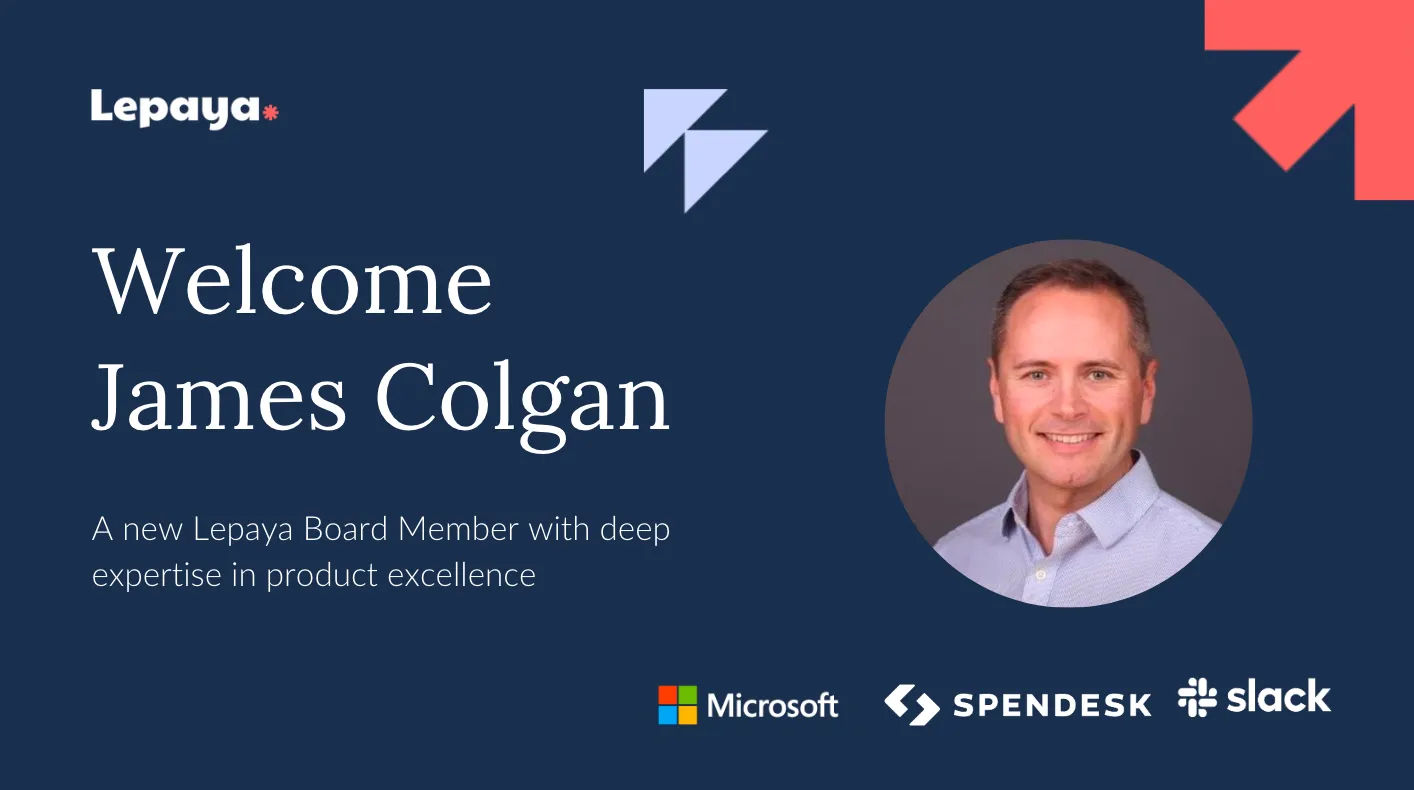
• James Colgan, een ervaren internationale productmanager, is toegetreden tot de adviesraad van Lepaya om zijn expertise in te brengen in het opbouwen van goed presterende organisaties, productstrategieën en wereldwijd leiderschap.
• Hij zet zich in om Lepaya te ondersteunen bij het verhogen van de productiviteit, effectiviteit en algemeen welzijn van het team om de groei te versnellen en klanten meer waarde te bieden.
• James sloot zich aan bij de missie van Lepaya om drie redenen: het belang van EdTech bij het aanpakken van tekorten aan vaardigheden, de behoefte aan sterk leiderschap tijdens transities en het innovatieve gebruik van kunstmatige intelligentie in opleidingen.
• Hij gelooft in het product, de visie en de missie van Lepaya dankzij het sterke leiderschap van de co-CEO's en de vaardigheden en het harde werk van het team.
James Colgan, een doorgewinterde internationale productmanager, is toegetreden tot de adviesraad van Lepaya en beschikt over een schat aan expertise op het gebied van het opbouwen van goed presterende organisaties, transformatie en zakelijke impact, productstrategie en -uitvoering, en wereldwijd leiderschap. Met een achtergrond die belangrijke functies omvat bij industriereuzen zoals Microsoft, snelgroeiende bedrijven zoals Slack en opgroeiende eenhoorns zoals Spendesk, zal James een aanzienlijke bijdrage leveren aan de groei van Lepaya.
Door gebruik te maken van zijn ervaring in het begeleiden van bedrijven bij de overgang van startup naar scale-up, zet James zich in om Lepaya te ondersteunen bij het verhogen van de productiviteit, effectiviteit en algemeen welzijn van het team. Het doel van deze strategische beslissing is om de groei te versnellen en tegelijkertijd meer waarde te bieden aan de klanten van Lepaya.
Lees verder om meer te weten te komen over James' kijk op waarom hij zich bij de missie van Lepaya heeft aangesloten.
Er zijn drie redenen waarom ik bij het bedrijf ben gekomen, en de eerste is EdTech. Over de hele wereld, in elke branche en op elk niveau is er een tekort aan vaardigheden. Hoewel kunstmatige intelligentie steeds meer een hulpmiddel wordt voor kenniswerkers, doet dit niets af aan het belang van de menselijke aspecten van een rol en de noodzaak om deze te verbeteren.
De tweede reden is leiderschap in transitie. Lepaya's focus op de reis van de leider vind ik bijzonder interessant. In onzekere tijden is leiderschap cruciaal om duidelijkheid te verschaffen aan teams die onduidelijkheid ervaren, en dit is essentieel voor het succes van elk bedrijf op de planeet.
Tot slot kunstmatige intelligentie. Lepaya's slimme toepassing van kunstmatige intelligentie om de menselijke training te verbeteren is een ongelooflijke onderscheidende factor. Ik wil graag meer weten over hoe Lepaya deze nieuwe technologie toepast op edtech-toepassingen.
Op de eerste plaats staat het team. René en Peter hebben als co-CEO's een formidabel team opgebouwd met veelzijdige vaardigheden en ervaring, gekoppeld aan hard werk in de hele organisatie. Het is de leiding van Peter en René die het bedrijf in staat zal stellen om te profiteren van de kansen die voor ons liggen.
Er zijn drie belangrijke bijdragen waar ik naar uitkijk. Allereerst is Lepaya zelf een bedrijf in transitie van een start-up naar een scale-up. Dit is een uiterst uitdagende manoeuvre, die een strakke tactische uitvoering en een strategische formulering op middellange tot lange termijn vereist. Nu ik dit eerder heb gedaan, hoop ik ervaring te kunnen bieden waar het team van kan leren.
Ten tweede is het de formulering van de productstrategie. Lepaya heeft een sterke visie en een goed uitvoeringsritme. Ik kijk ernaar uit om nauw samen te werken met Peter en het team om te helpen bij het creëren van een productstrategie die die visie en de productuitvoering met elkaar verbindt.
Tot slot is het bedoeld om Peter en het team te helpen onderzoek en ontwikkeling in het algemeen naar een hoger niveau te tillen. Op basis van mijn ervaring bij Microsoft, Slack en Spendesk kijk ik ernaar uit om met het team van Lepaya samen te werken om hen te helpen productiever, effectiever en gelukkiger te zijn als motor van groei en het leveren van waarde aan klanten.

We bieden een schaalbare oplossing voor de opleiding van werknemers. Hiermee kun je je mensen continu bijscholen.
Boek een gesprek

Recensie door:
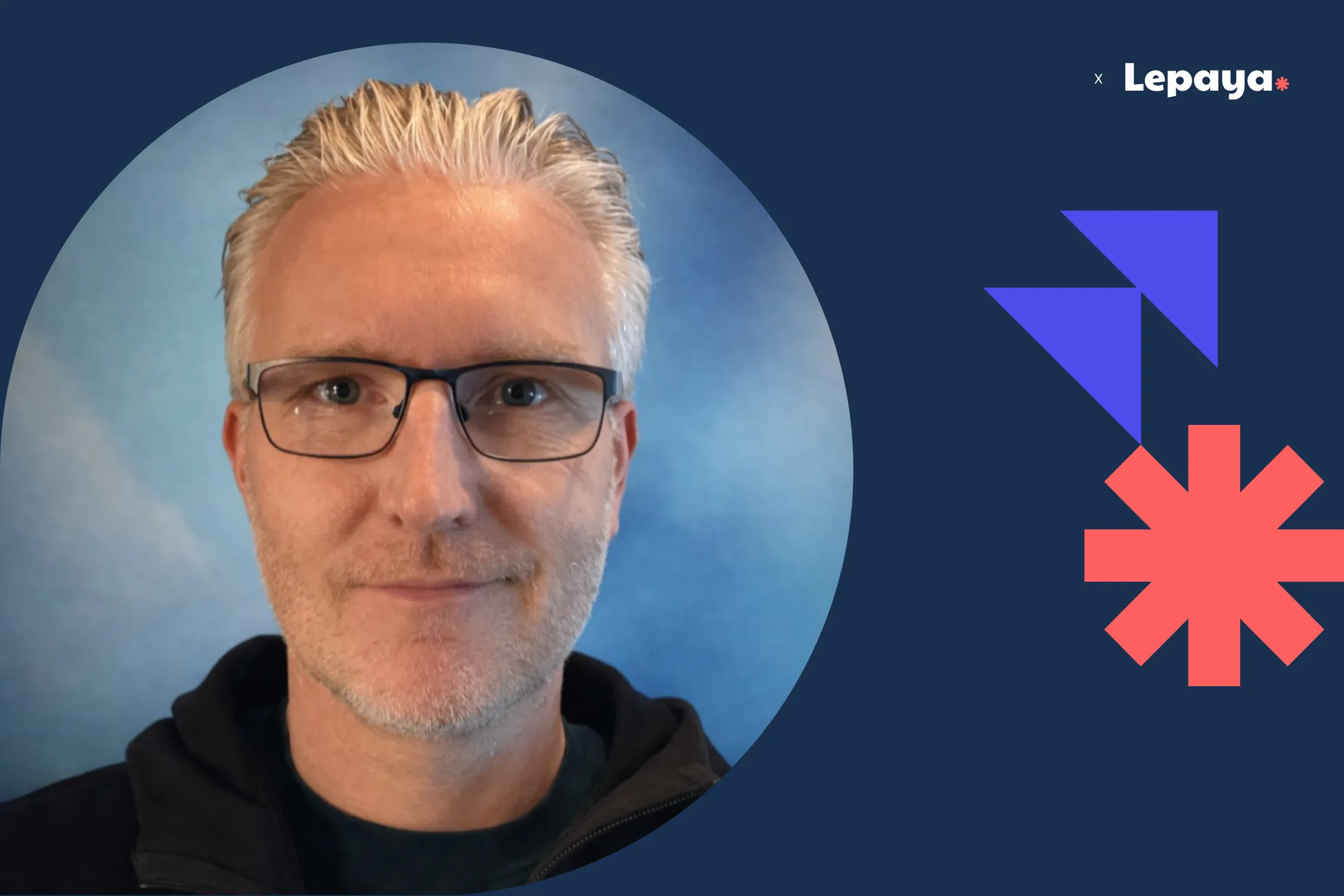
Senior leadership and boardroom teams invest heavily in commercial strategies to win market shares. Yet the most important and honest information driving strategy circulates in teams underneath, never making it to the table where decisions are made.Jeroen Kraaijenbrink, Executive Coach and Strategy Consultant at Kraaijenbrink Advisory, has spent years working on what he calls the honesty gap. We sat down with him to understand what the honesty gap actually is, where it lives in organizations, and why fixing it requires a leadership shift.How do you define the honesty gap?There's a narrow definition and a broad one. The broad one is: we have created organizations and systems where it's barely possible to be honest to yourself, about yourself, and honest to other people.Honesty isn't just lying. It's integrity, being authentically connected to other people and being aware of your own emotions and your own biases.The honesty gap, in a narrow sense, is the fact that truth and information don’t travel vertically upwards in a company. It's often hard to speak openly to your manager because it’s become rational not to. Many people have the experience: 'I've tried it once but then I was punished for it, or was ignored, so let it be, never mind.' That's the fascinating part: it's not good for people, it's not good for organizations and yet we somehow keep this system intact.Is it less about individual dishonesty and more about a collective culture?A lot of the most important information going through your company is between people and in conversations. You need to find a way to have an honest conversation, where the things that matter get on the meeting table, not just in the informal circuit. And I think that's pretty rare.A more systematic definition is that we're not using the collective intelligence of a company enough. We can radically improve it because we’ve made it rational to hide the truth and to keep things to yourself. A lot of it may not be intentional, but the very fact that someone is in a position above you automatically creates this tension: 'What do I show? What don't I show? Because my next performance appraisal is coming up.'Where does the honesty gap typically show up first, and who owns the problem?It starts with leaders. Solving it needs one leader at the top, the CEO at least, being open and reflective enough to admit that there is an honesty gap and that they are part of it. That's the self-reflection you need for any improvement and any change. Like in coaching: you need to be aware that there is stuff to improve. You don't need to be a perfect leader, but you need to be open enough to admit that there is an issue.You talk about the 'persona trap', what is that?You're stuck in a persona where you perform in a certain way within your company. You have a role, a position, a reputation, and that locks you into specific behaviors. The worse the match between who you are as a person and how you need to show up in your organization, the more inner conflict that’s created. Especially at the top, it’s a problem for many executives. They're supposed to be the people who know it all and be decisive. While if you're honest, you don't necessarily know everything, you’re uncertain and have anxieties.The inner core of the honesty gap is breaking the performance, breaking the acting you feel you must do. If you've put yourself in a role of being the strong, decisive, number-oriented leader, that's how you have to behave. But most people don't feel very comfortable in that kind of role because it's not who they are.Can you fix the honesty gap through individual coaching alone or does the system have to change?Part of it is a personal change, part of it is a system change. You can be on your own and be very authentic, but if the system doesn't change at all, you’ll struggle to break the honesty gap.What you need to do is work on the people, the culture, and the system. Ideally that has to include the top, because otherwise it stays at the level of the person being coached. If it's a team lead or a mid-manager, that person can partly create an island in the organization, a safe space for their team and their department. But still, the appraisal systems, objectives, and culture are company-wide. Why is this so hard to shift, even when leaders recognize the problem?We have normalized this idea that you have to be strategic in what you tell and what you show. You have to show up in a certain role at work. It's also the result of how we have separated work from life, which is a very unnatural thing. It's from the industrial age, because for any other species, work is life. But now there’s a split between work, with all the routines in companies, and then your private life. There's just one you, you're the same person at home as you are at work. The good news is that the honesty gap can be closed. While many companies have unintentionally created environments where people hesitate to speak openly, organizations prioritizing trust, authenticity, and psychological safety can unlock a competitive advantage. When employees feel safe to share concerns, ideas, and perspectives, collective intelligence grows, decision-making improves, and stronger relationships emerge across every level of the business.
Close skill gaps, accelerate growth, and future-proof your workforce.