Develop confident leaders who drive their teams’ performance and organizational success.
Discover more



.webp)
• Digitalisierung und KI sind treibende Kräfte in der Industrie und führen zu datengesteuerten Kundenerlebnissen und betrieblicher Optimierung.
• Unternehmen müssen in Weiterqualifizierung und Talententwicklung investieren, um von Innovationen zu profitieren und Strategien zur organisatorischen Transformation effektiv umzusetzen.
• Tech-Talente sind in allen Branchen sehr gefragt, wobei der Schwerpunkt auf Automatisierung, Datenanalyse und KI-Fähigkeiten liegt.
• Führungskräfte müssen eine digitale Kultur fördern, dem Talentmanagement Priorität einräumen und Führungsqualitäten entwickeln, um die organisatorische Transformation voranzutreiben.
• Kundenservice-Teams müssen sich an personalisierte Services, neue Technologien und sich ändernde Kundenanforderungen anpassen, um auf dem Markt wettbewerbsfähig zu bleiben.
Digitalisierung und KI sind branchenübergreifend wachsende Kräfte und sorgen für datengestützte, personalisierte Kundenerlebnisse und optimierte Abläufe. This transformations offer growth numbers, companies must but ensure that they have available about the functions and talents, to get the best from innovation and strategies for organization transformation.
Tatsächlich wird geschätzt, dass für jeden Dollar, der in Technologie investiert wird, rund neun Dollar Talente müssen zugewiesen werden. Mit einer starken Weiterbildungs- und Rekrutierungsstrategie sind Unternehmen besser darauf vorbereitet, neue Dienstleistungen und Mehrwert mit minimalen Unterbrechungen auf den Markt zu bringen.
Um das Thema weiter zu untersuchen, laden Sie unseren Fachkräftebericht zum Stand der Industrie herunter.
Innovation führt oft zu einer gemeinsamen Herausforderung: Unternehmen haben Schwierigkeiten, ihren aktuellen Talentpool zu optimieren, um nicht nur organisatorische Schwachstellen, sondern auch Chancen zu beheben. Infolge dessen sind Branchenführer auf dem externen Markt angewiesen, um die für die Transformation erforderlichen Qualifikationslücken zu schließen.
The new possibilities, that the technology offers, by a company can be skaliert only then, if it has provided through able leadership forces, the organization change management.
Um erfolgreich zu sein, da sich die Branchentrends ändern, müssen Führungsteams in die Entwicklung, Gewinnung und Umschulung von Talenten investieren, um ihre Fähigkeit zur Transformation langfristig zu stärken.
Discover in the following the three aufstrebend talent groups that are further the organisations and qualification transformation in all industry.
Unternehmen haben einen Mangel an den gefragtesten Talenten auf dem Markt — den Tech-Talenten. In the current market but not only technology companies under a mangel and technical qualified talents.
Non-Technology Company as Manufacturer and Life-Science-Company hat seit Ende 2022 doppelt so viele Tech-Jobs gelistet. Das hat zwei Gründe:
Companies in transport and production sector automatization manual work to increase efficiency, reliability and sustainability in the supply chains. With the increase of KI companies are also increase their costs for operating processes, smart fabrics and erneuerbarer energien. This will lead to new qualification lücken in their supply chain and the request for high qualified talents.
Obwohl Unternehmen ihre Lieferketten erweitern und innovieren wollen, nur 28% bewerte sich selbst als digital fortgeschritten. Das bedeutet, dass die Technologie- und KI-Transformation nicht nur eine Änderung der Fähigkeiten erfordert, sondern auch einen Talentpool, der in der Lage ist, neue datengetriebene und technische Rollen zu besetzen.
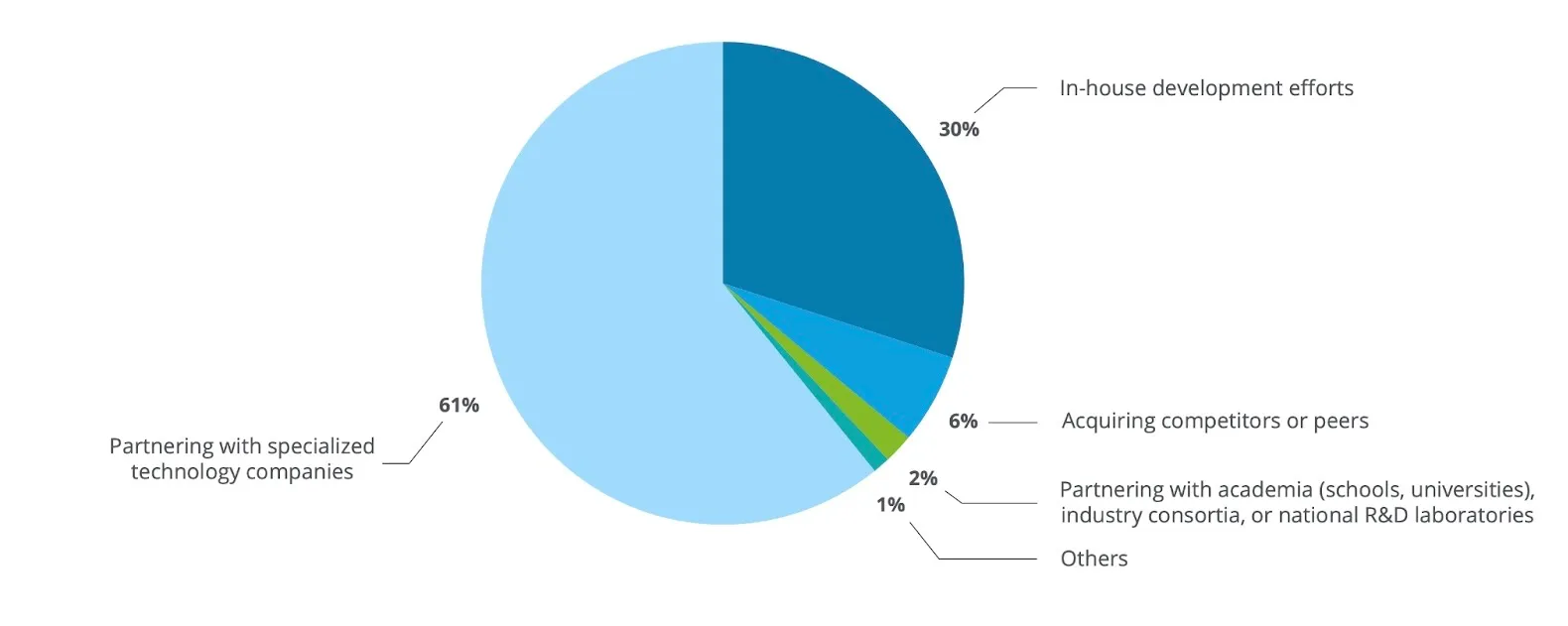
Unternehmen außerhalb der Technologiebranche benötigen Pipelines, um Talente mit Schlüsselkompetenzen in den Bereichen Datenanalyse, Cloud Computing und KI für die organisatorische Transformation anzuziehen und zu fördern.
In der Zwischenzeit hat die digitale Transformation des Bankwesens ermöglicht, Pharmazeutika und Retail Companies, the high-performance omnichannel-brands, the increase customer bindung and increase the sales. Und die Daten belegen das. Consumer, die sich mit einem Omnichannel-Markenshop beschäftigen 1,7 mal more as Single-Channel-Käufer (d. h. eine Marke, die nur eine Option im Geschäft anbietet).
Gleichzeitig sind die Verbraucher angesichts einer Fülle von Produkten und Optionen, aus denen sie online, im Geschäft und in den sozialen Medien auswählen können, immer selektiver. Angesichts der vielen Kontaktpunkte sind neue Strategien erforderlich, um sicherzustellen, dass die Teams über die richtigen Daten und technischen Fähigkeiten verfügen, um Kunden kanalübergreifend zu gewinnen und zu binden.
Angesichts der hohen Nachfrage nach Technologie und qualifizierten Talenten müssen Führungskräfte heute Wege finden, eine digitale Kultur und ein digitales Arbeitsumfeld zu fördern, das berufliche Mobilität in Führungspositionen ermöglicht und Innovationen fördert.
Schlechte Führungsqualitäten schädigen jedoch das Vertrauen der Talente in ihren Manager.
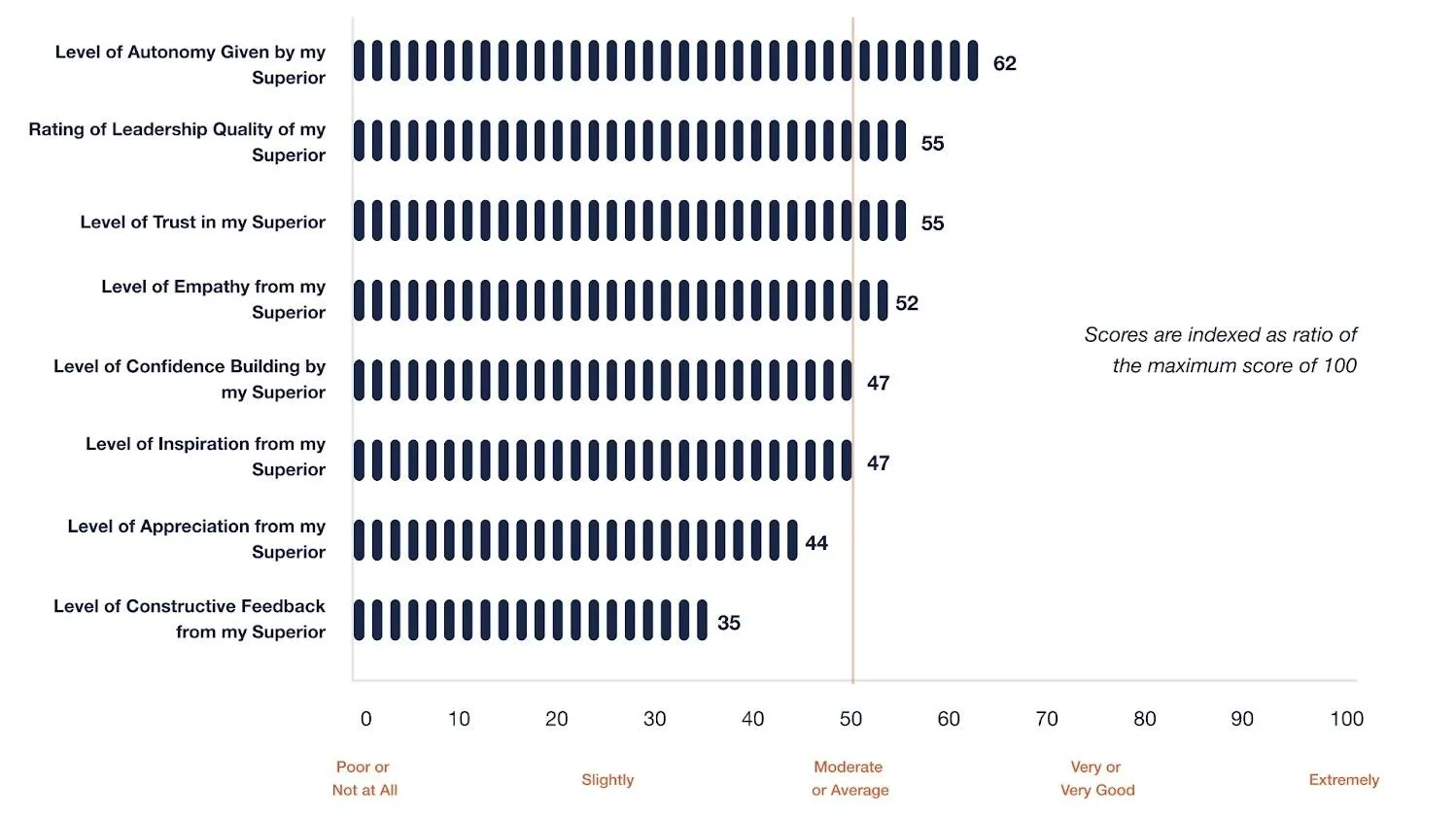
Leadership forces from the areas Personal and Learning and Development (L&D) must einräumen an talent management strategy and an following planning priority, the Leadership forces further um leistungsstarke und engagierte Teams zu bilden.
Strutured global academies help global companies to develop leadership quality, employees provide digital training and career ways for important management and c-level roles.
This allows the company not only, the labour lack and increase the staff bindung, but they can also less required, external technical specialists for the implementation their organization transformation.
Unabhängig von der Branche müssen alle Führungskräfte ihre Dienstleistungen kontinuierlich erneuern und ihre Führungspipeline, Kundenkommunikation und Resilienz weiterentwickeln, um sich an Veränderungen anzupassen und Marktanteile zu gewinnen.
Da die Technologie branchenübergreifend individuelle Dienstleistungen anbietet, müssen die Kundenservice-Teams neue Fähigkeiten erlernen, um einen Schritt zu halten. Darüber hinaus erfordern mehr Kundenkontaktpunkte und engere Beziehungen, eine höhere emotionale Intelligenz sowie Fähigkeiten zur Problemlösung und Nachforschung keep new regulations and show the effect of products.
Das banking industry is a good example: Fintechs change the landscape of the traditional banking systems and win lower customers with individual services and quickly online payments. Um wettbewerbsfähig zu bleiben, müssen Mitarbeiter traditioneller Banken neue Interaktionsfähigkeiten erlernen, um Kunden online und offline zu beraten.
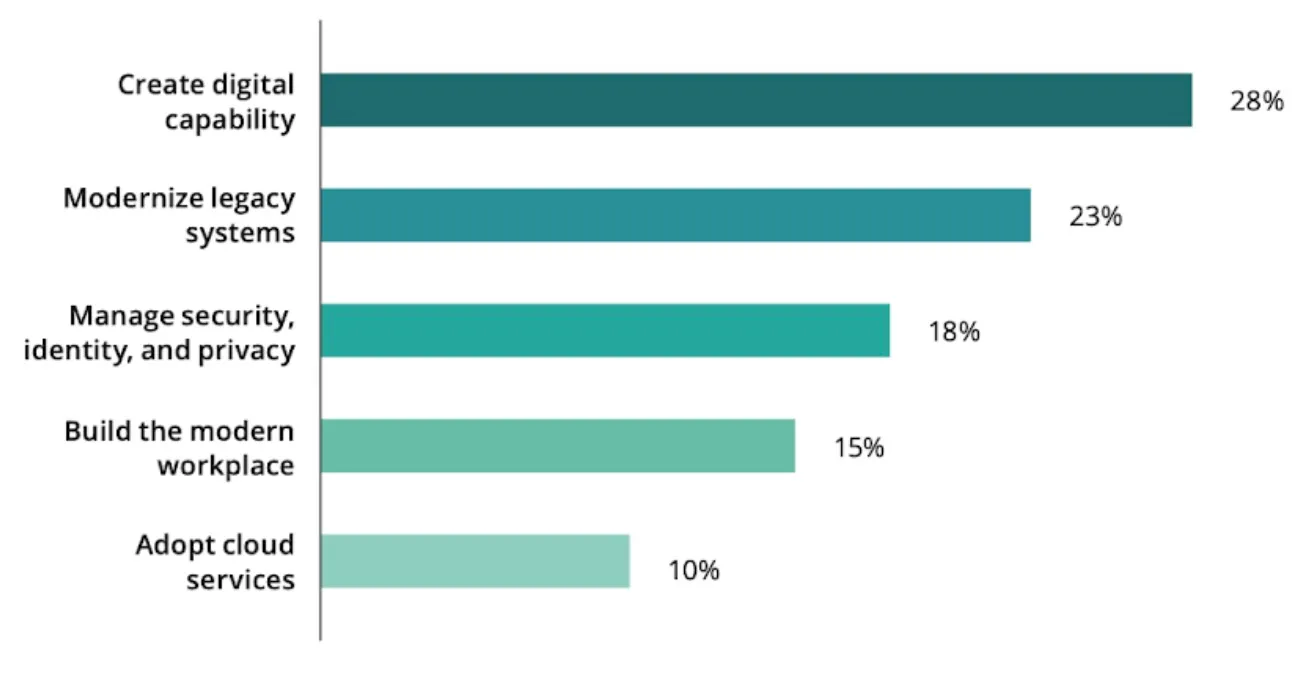
This should L&D leadership forces develop a solid following management to develop the employees to be to be an expert, and it allows them to grow in new roles and nisches needs. The market requirements constantly change and, this company helps,, provide that the right mixed and ability, to grow the confidence of the customers in solutions.
Ein Einzelhändler, der diesen Ansatz angenommen hat, ist IKEA. Im Jahr 2021 änderte das Unternehmen seine Kundenservice- und Vertriebsstrategie, um die Auswirkungen der Technologierechnung zu tragen und ein ausgewogenes Verhältnis zwischen Umschulungslösungen und neuen Geschäftsbereichen zu finden. Sie führten einen KI-Bot namens Billie ein, der darauf ausgerichtet ist, routinemäßige Kundenanfragen zu beantworten. Viele erwarteten zunächst, dass das ganze Kundenservice-Team zur Lösung führen würde, doch das Gegenteil war der Fall.
Stattdessen bildete IKEA 8.500 Callcenter-Mitarbeiter zu Innenarchitekten um. This were generated billion of euro, and their developed customer service teams are now specified on create work to ensure that value knowledge goes not lost value knowledge. Im Wesentlichen haben sie bewiesen, dass Personal- und L&D-Führungskräfte, ihre Teams, Schulen und Technologien optimieren können, um neue Geschäftsbereiche zu entwickeln, während die digitale Transformation erfolgreich ist.
The success an organization is now is defined by their ability, to beat capital from innovations. Da die digitale Transformation die Prozesse und Verfahren der Branche vorantreibt, müssen Unternehmen das Maß des organisatorischen Wandels durch die Weiterbildung ihrer Talente in Rechnung stellen.
Unternehmen, die interne Abläufe optimieren, um das Kundenerlebnis zu personalisieren, nutzen strategic talent solutions, and in their whole talent pipeline internal continue, they are to a competition intensive market by the mass and a more foot in their industry.
Möchten Sie mehr über die Fähigkeiten erfahren, die Branchen benötigen, um wettbewerbsfähig zu bleiben? Laden Sie unseren Fachkräftebericht zum Stand der Industrie herunter.

Wir bieten eine skalierbare Lösung für Mitarbeiterschulungen. Damit können Sie Ihre Mitarbeiter kontinuierlich weiterbilden.
Einen Anruf buchen.webp)

Bewertung von:
Senior leadership and boardroom teams invest heavily in commercial strategies to win market shares. Yet the most important and honest information driving strategy circulates in teams underneath, never making it to the table where decisions are made.Jeroen Kraaijenbrink, Executive Coach and Strategy Consultant at Kraaijenbrink Advisory, has spent years working on what he calls the honesty gap. We sat down with him to understand what the honesty gap actually is, where it lives in organizations, and why fixing it requires a leadership shift.How do you define the honesty gap?There's a narrow definition and a broad one. The broad one is: we have created organizations and systems where it's barely possible to be honest to yourself, about yourself, and honest to other people.Honesty isn't just lying. It's integrity, being authentically connected to other people and being aware of your own emotions and your own biases.The honesty gap, in a narrow sense, is the fact that truth and information don’t travel vertically upwards in a company. It's often hard to speak openly to your manager because it’s become rational not to. Many people have the experience: 'I've tried it once but then I was punished for it, or was ignored, so let it be, never mind.' That's the fascinating part: it's not good for people, it's not good for organizations and yet we somehow keep this system intact.Is it less about individual dishonesty and more about a collective culture?A lot of the most important information going through your company is between people and in conversations. You need to find a way to have an honest conversation, where the things that matter get on the meeting table, not just in the informal circuit. And I think that's pretty rare.A more systematic definition is that we're not using the collective intelligence of a company enough. We can radically improve it because we’ve made it rational to hide the truth and to keep things to yourself. A lot of it may not be intentional, but the very fact that someone is in a position above you automatically creates this tension: 'What do I show? What don't I show? Because my next performance appraisal is coming up.'Where does the honesty gap typically show up first, and who owns the problem?It starts with leaders. Solving it needs one leader at the top, the CEO at least, being open and reflective enough to admit that there is an honesty gap and that they are part of it. That's the self-reflection you need for any improvement and any change. Like in coaching: you need to be aware that there is stuff to improve. You don't need to be a perfect leader, but you need to be open enough to admit that there is an issue.You talk about the 'persona trap', what is that?You're stuck in a persona where you perform in a certain way within your company. You have a role, a position, a reputation, and that locks you into specific behaviors. The worse the match between who you are as a person and how you need to show up in your organization, the more inner conflict that’s created. Especially at the top, it’s a problem for many executives. They're supposed to be the people who know it all and be decisive. While if you're honest, you don't necessarily know everything, you’re uncertain and have anxieties.The inner core of the honesty gap is breaking the performance, breaking the acting you feel you must do. If you've put yourself in a role of being the strong, decisive, number-oriented leader, that's how you have to behave. But most people don't feel very comfortable in that kind of role because it's not who they are.Can you fix the honesty gap through individual coaching alone or does the system have to change?Part of it is a personal change, part of it is a system change. You can be on your own and be very authentic, but if the system doesn't change at all, you’ll struggle to break the honesty gap.What you need to do is work on the people, the culture, and the system. Ideally that has to include the top, because otherwise it stays at the level of the person being coached. If it's a team lead or a mid-manager, that person can partly create an island in the organization, a safe space for their team and their department. But still, the appraisal systems, objectives, and culture are company-wide. Why is this so hard to shift, even when leaders recognize the problem?We have normalized this idea that you have to be strategic in what you tell and what you show. You have to show up in a certain role at work. It's also the result of how we have separated work from life, which is a very unnatural thing. It's from the industrial age, because for any other species, work is life. But now there’s a split between work, with all the routines in companies, and then your private life. There's just one you, you're the same person at home as you are at work. The good news is that the honesty gap can be closed. While many companies have unintentionally created environments where people hesitate to speak openly, organizations prioritizing trust, authenticity, and psychological safety can unlock a competitive advantage. When employees feel safe to share concerns, ideas, and perspectives, collective intelligence grows, decision-making improves, and stronger relationships emerge across every level of the business.
.webp)
Bewertung von:
The EU Pay Transparency Directive is reshaping performance reviews. In this article, Raymond Lansheuvel, Lepaya’s Head of Benelux, reveals how managers can prepare for pay conversations with confidence.
Close skill gaps, accelerate growth, and future-proof your workforce.




.webp)