Empower your individual contributors to enhance their skills and impact in your organization.
Discover more



Speakers René Janssen, founder of Lepaya, Dagmar Lens, Education & Research Lead at Microsoft, Maximilian Elling, Head Of Talent Management DACH Region at Schneider Electric, Daniel Breitwieser, Enterprise Transformation Consultant at CoachHub alongside moderator Juliëtte Plantenga, Learning Concept Designer & Team lead at Lepaya brought some fascinating insights to the table and opened up a discussion surrounding the ever growing importance of equipping your employees with Power Skills in order to stay future proof.
After opening up the Webinar and gauging the audience’s familiarity with Power Skills (most of whom were not familiar with Power Skills), Juliëtte introduced Lepaya co-founder and managing director René Janssen. René came to found Lepaya after looking for the ideal learning solution for his people while working as HR Director at Lazada. He soon realized that what he was looking for was impactful Power Skills trainings that simply did not exist. René believes that Power Skills are what will determine your employees next promotion. Referring to the World Economic Forum’s top 10 future proof skills for 2025, he explained that many of these skills come as a combination of practical hard skills, soft “people” skills and the application of these- this is what Power Skills are made of.
At an organizational level, René recalled, referring to Lepaya’s own research, that 60% of CEO’s see their employees skill set as the biggest challenge to remain competitive. On an employee level, further referring to Lepaya’s research, René stated that over 40% of employees believe their current skill set will not remain relevant in future labor markets, while less 50% feel upskilling is a priority to their employers. This indicates that a better learning and development facilitation can help organizations to stay competitive while also hiring and retaining talented employees. René finished his presentation by reminding the audience that lifelong learning implemented in the workplace can change hiring forever.
The next speaker to share their piece was Dagmar Lens of Microsoft. Dagmar explained to the audience her position on Power Skills. Passionate about learning, Dagmar focuses on the future of learning, explaining that it is changing not only in the professional world, but in schools and universities. The goal now is to strive for lifelong learning. Referring to research conducted by Microsoft of 2,000 teachers and 2,000 students, Dagmar provided valuable insights into their thoughts on the future of the labor market. This research resulted in a simple skills formula:
The average university graduate today will have roughly 6 career paths after graduating, with so much change and adaptations necessary, the idea is no longer to be “work-ready”, but to develop skills that prepare people for life, not just a job. Social skills are twice as predictive of academic performance than other factors such as home environment or demographics. High levels of social skills development also correlated with a number of positive health and wellbeing effects. These skills are extended, amplified and reimagined by the influence of technology. The overarching message of this research indicated that practical “technical” skills alone are not enough to ensure future-proofness. Power Skills are what the future needs, with an expected increase of 6.2 million IT related jobs by 2022.
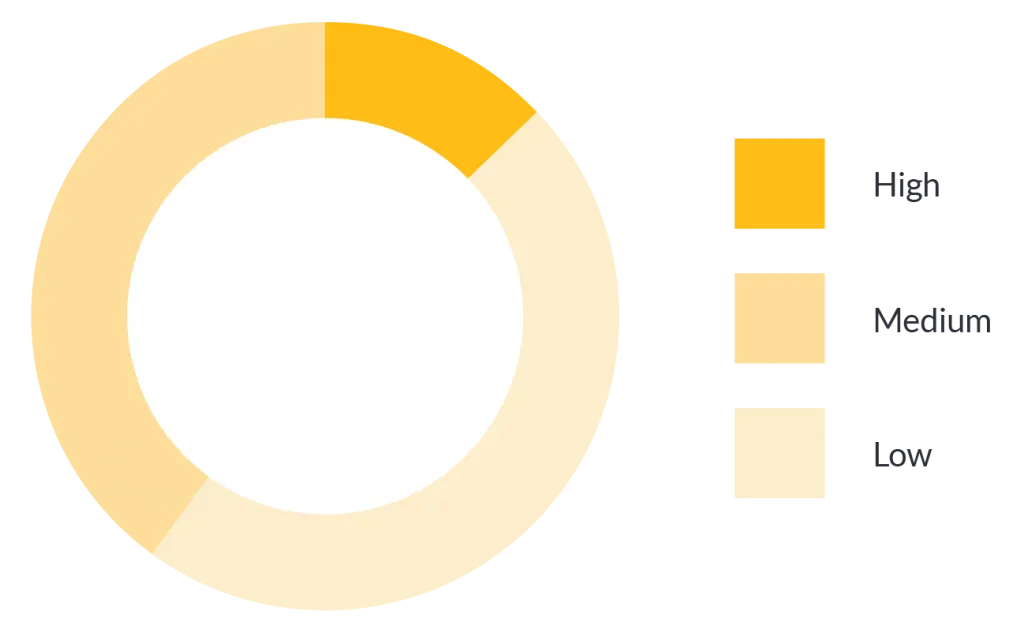
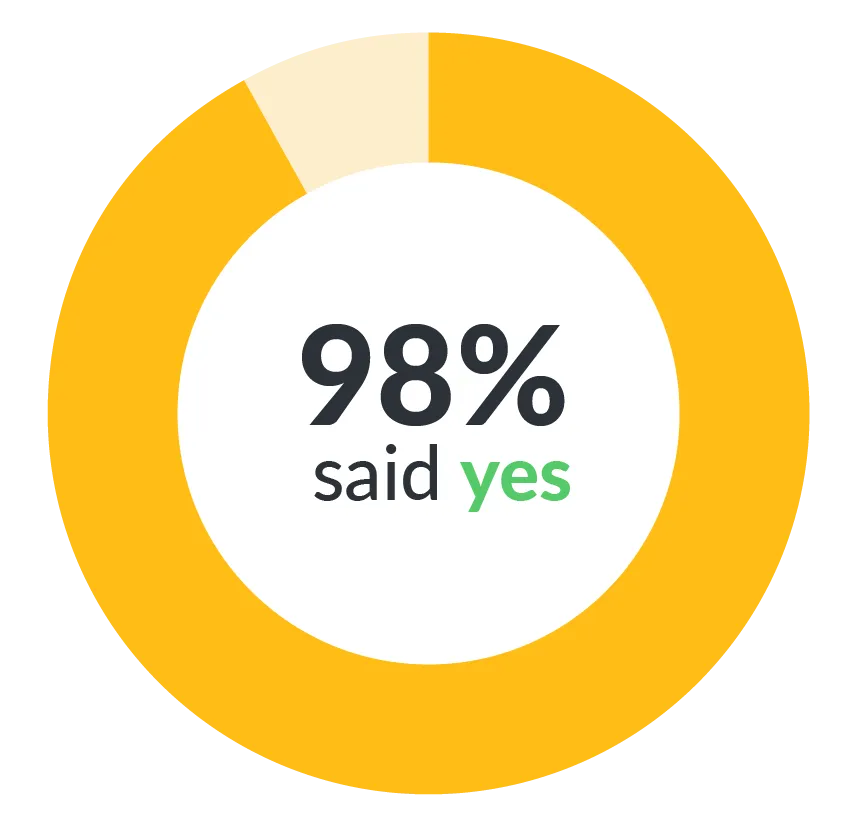
This research also revealed that students want personalization, not automation. Students believe they learn more when they have a greater voice and choice and receive personalized feedback. This is echoed in the results of students who receive personalized instruction performing better than 98% of traditionally educated students.
Closing her presentation, Dagmar asked the audience to think about the skills that help them grow and learn as an adult everyday, while posing the following questions:
Finally, Juliëtte introduced final speakers Daniel Breitwieser of CoachHub and Maximilian Elling of Schneider Electric who briefly introduced their companies before discussing the specific needs of Schneider Electric that enabled them to discover Power Skills. For Schneider Electric, a digital transformation was necessary. Their customers wanted it, their market was developing and Power Skills helped them during their future proof digital transformation. At first, Schneider focused on a Power Skill similar to Lepaya’s Self-Awareness & Growth Mindset, but leaning more towards change and agility mindset. Maximilian reminded the audience that this Power Skill promotes a readiness to learn, necessary as Schneider hopes to upskill 1000s of employees across the organization.
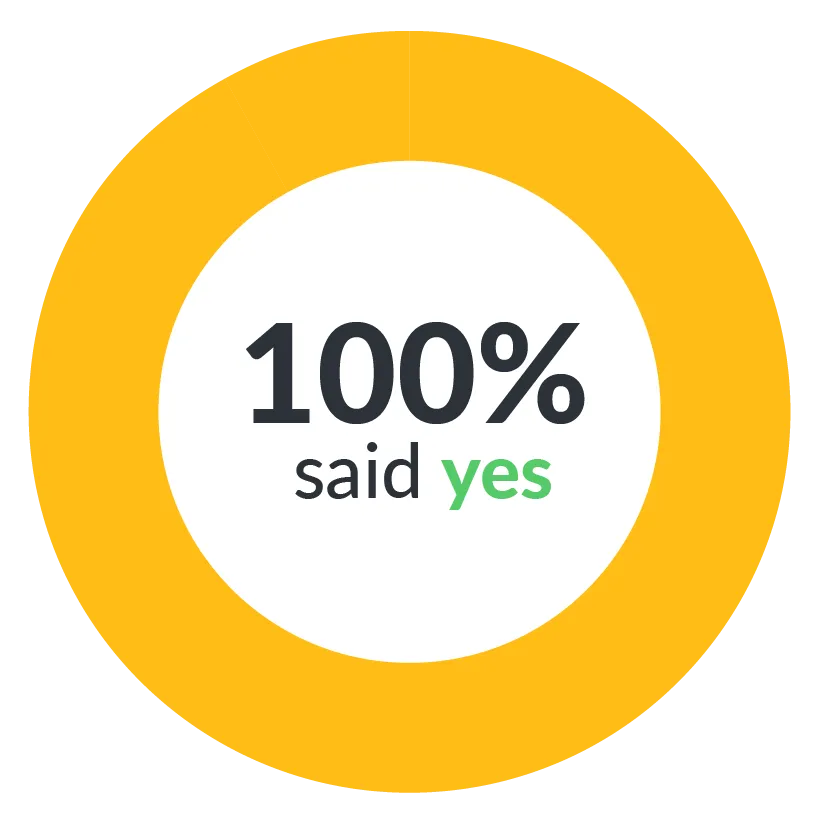
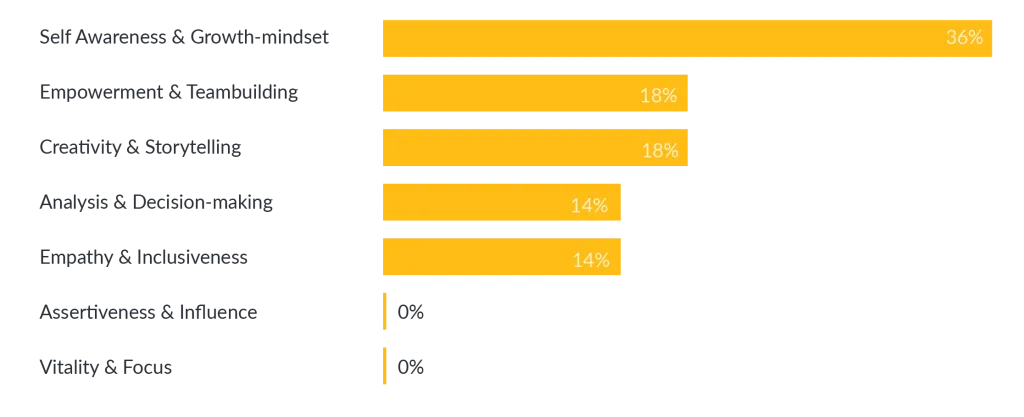
People at Schneider had the hard skills but still struggled with their performance. By researching their own employees, together with CoachHub, Schneider were able to pinpoint what they needed to transform and did so successfully to provide lifelong learning to their employees.
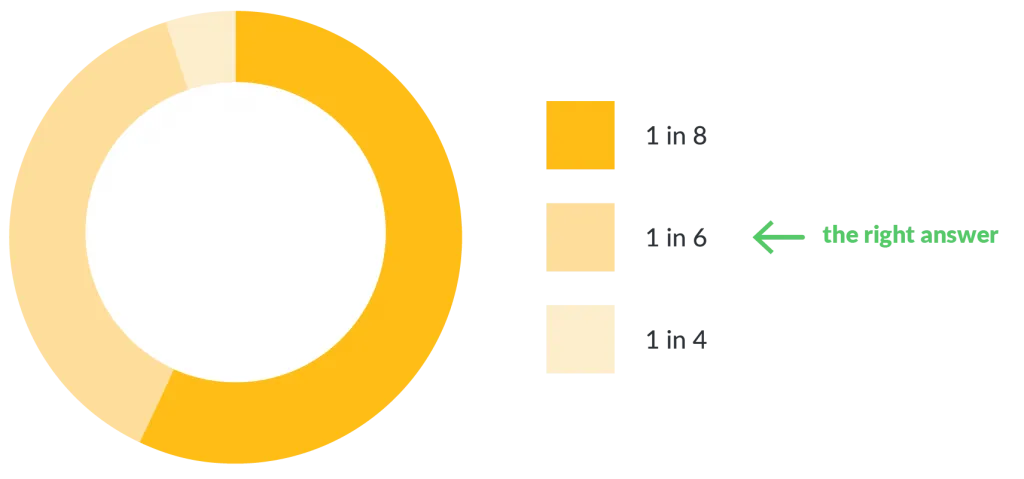
After hearing from all speakers, a Panel Discussion with questions from the audience provided some key takeaways:
Of course, this is just a taster of some of the truly valuable points our speakers made. If you wish to learn more, keep an eye on our LinkedIn and join our next webinar!
Co-Founder & Managing Director of Lepaya
Education & Research Lead at Microsoft
Enterprise Transformation Consultant bij CoachHub
Head Of Talent Management DACH Region bij Schneider Electric
Learning Concept Designer & Team Lead at Lepaya

We offer a scalable employee training solution. It lets you continuously upskill your people.
Book a call

Review by:
Senior leadership and boardroom teams invest heavily in commercial strategies to win market shares. Yet the most important and honest information driving strategy circulates in teams underneath, never making it to the table where decisions are made.Jeroen Kraaijenbrink, Executive Coach and Strategy Consultant at Kraaijenbrink Advisory, has spent years working on what he calls the honesty gap. We sat down with him to understand what the honesty gap actually is, where it lives in organizations, and why fixing it requires a leadership shift.How do you define the honesty gap?There's a narrow definition and a broad one. The broad one is: we have created organizations and systems where it's barely possible to be honest to yourself, about yourself, and honest to other people.Honesty isn't just lying. It's integrity, being authentically connected to other people and being aware of your own emotions and your own biases.The honesty gap, in a narrow sense, is the fact that truth and information don’t travel vertically upwards in a company. It's often hard to speak openly to your manager because it’s become rational not to. Many people have the experience: 'I've tried it once but then I was punished for it, or was ignored, so let it be, never mind.' That's the fascinating part: it's not good for people, it's not good for organizations and yet we somehow keep this system intact.Is it less about individual dishonesty and more about a collective culture?A lot of the most important information going through your company is between people and in conversations. You need to find a way to have an honest conversation, where the things that matter get on the meeting table, not just in the informal circuit. And I think that's pretty rare.A more systematic definition is that we're not using the collective intelligence of a company enough. We can radically improve it because we’ve made it rational to hide the truth and to keep things to yourself. A lot of it may not be intentional, but the very fact that someone is in a position above you automatically creates this tension: 'What do I show? What don't I show? Because my next performance appraisal is coming up.'Where does the honesty gap typically show up first, and who owns the problem?It starts with leaders. Solving it needs one leader at the top, the CEO at least, being open and reflective enough to admit that there is an honesty gap and that they are part of it. That's the self-reflection you need for any improvement and any change. Like in coaching: you need to be aware that there is stuff to improve. You don't need to be a perfect leader, but you need to be open enough to admit that there is an issue.You talk about the 'persona trap', what is that?You're stuck in a persona where you perform in a certain way within your company. You have a role, a position, a reputation, and that locks you into specific behaviors. The worse the match between who you are as a person and how you need to show up in your organization, the more inner conflict that’s created. Especially at the top, it’s a problem for many executives. They're supposed to be the people who know it all and be decisive. While if you're honest, you don't necessarily know everything, you’re uncertain and have anxieties.The inner core of the honesty gap is breaking the performance, breaking the acting you feel you must do. If you've put yourself in a role of being the strong, decisive, number-oriented leader, that's how you have to behave. But most people don't feel very comfortable in that kind of role because it's not who they are.Can you fix the honesty gap through individual coaching alone or does the system have to change?Part of it is a personal change, part of it is a system change. You can be on your own and be very authentic, but if the system doesn't change at all, you’ll struggle to break the honesty gap.What you need to do is work on the people, the culture, and the system. Ideally that has to include the top, because otherwise it stays at the level of the person being coached. If it's a team lead or a mid-manager, that person can partly create an island in the organization, a safe space for their team and their department. But still, the appraisal systems, objectives, and culture are company-wide. Why is this so hard to shift, even when leaders recognize the problem?We have normalized this idea that you have to be strategic in what you tell and what you show. You have to show up in a certain role at work. It's also the result of how we have separated work from life, which is a very unnatural thing. It's from the industrial age, because for any other species, work is life. But now there’s a split between work, with all the routines in companies, and then your private life. There's just one you, you're the same person at home as you are at work. The good news is that the honesty gap can be closed. While many companies have unintentionally created environments where people hesitate to speak openly, organizations prioritizing trust, authenticity, and psychological safety can unlock a competitive advantage. When employees feel safe to share concerns, ideas, and perspectives, collective intelligence grows, decision-making improves, and stronger relationships emerge across every level of the business.
Close skill gaps, accelerate growth, and future-proof your workforce.